In 2026, the transition to solar-integrated living has become a strategic move for homeowners seeking protection against rising utility costs and energy instability. This comprehensive guide explores how modern solar technology—including high-efficiency panels, smart hybrid inverters, and advanced battery storage—allows households to achieve true energy independence. By adopting specialized solar appliances and optimizing system design, individuals can significantly reduce their monthly expenditures while securing a reliable, sustainable power source for the future.
Introduction
The global energy landscape is undergoing a significant transformation. As traditional utility costs continue to fluctuate and reach record highs, homeowners and businesses are increasingly exploring sustainable alternatives to secure their energy future. In 2026, the shift toward solar-integrated living has moved beyond a simple environmental trend—it has become a practical, strategic necessity for long-term energy stability and financial independence.
The Evolution of Modern Solar Technology
Modern solar-powered systems have evolved far beyond the basic rooftop panels of the past decade. Today’s technology focuses on a seamless, intelligent integration between energy generation and everyday appliance usage. By utilizing high-efficiency photovoltaic (PV) systems, households can now power a wide range of essential devices—from heavy-duty climate control units to advanced kitchen appliances—using direct sunlight. This decentralized approach allows for a “micro-grid” setup, helping many effectively reduce or even eliminate their reliance on traditional electrical infrastructure.
Essential Components for a Self-Sufficient Home
To achieve true energy self-sufficiency, a well-designed system requires a balance of several critical components. It is not just about the panels, but how the entire ecosystem works together:
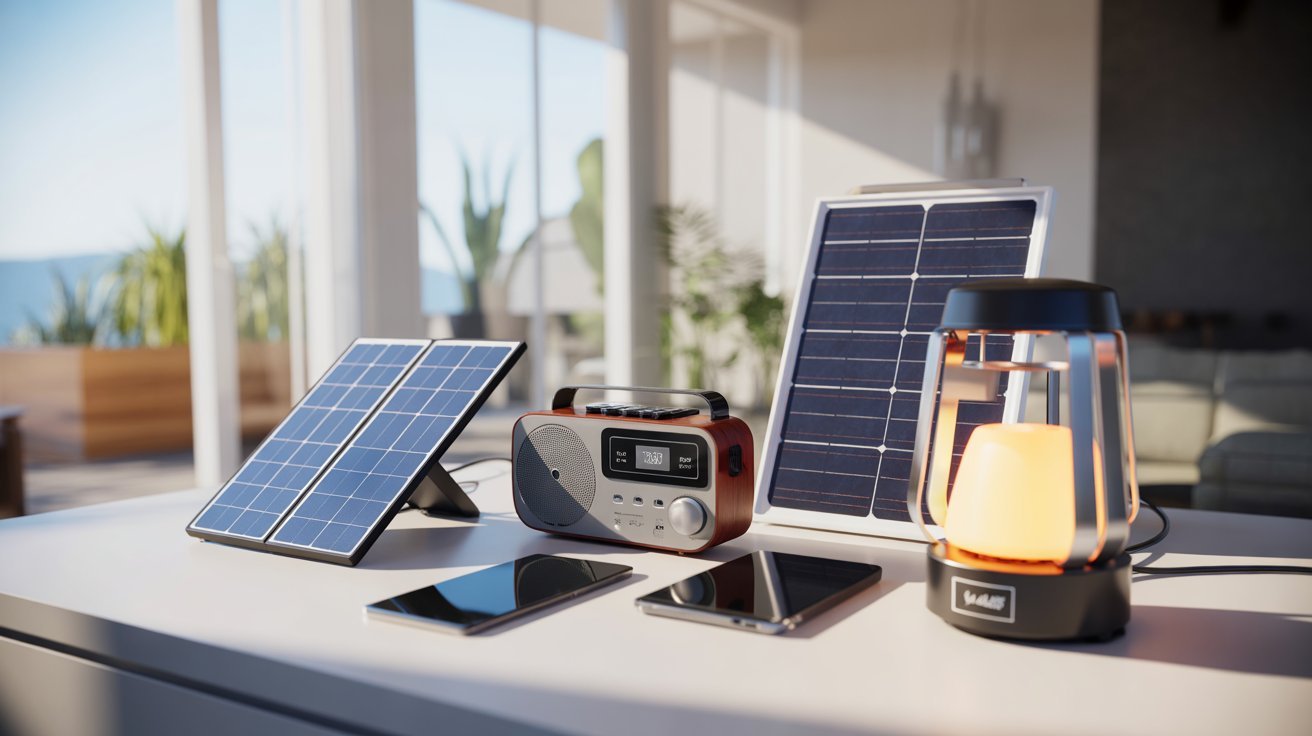
- High-Conversion Monocrystalline Panels: These are designed to capture maximum solar radiation even in low-light conditions, ensuring consistent power production throughout the day.
- Smart Hybrid Inverters: These act as the “brain” of the system, converting captured DC energy into usable AC power while simultaneously managing the flow between the panels, the battery, and the home.
- Lithium-Ion Storage Solutions: Advanced battery systems have become more affordable in 2026, allowing for the storage of excess energy generated during peak sunlight hours for use at night or during cloudy weather.
- Automated Energy Management Systems: Modern setups often include software that allows users to monitor their production and consumption in real-time via mobile applications.
The Economic Impact of Solar-Powered Appliances
The primary advantage of switching to solar-ready appliances is the dramatic reduction in monthly utility expenditures. Since modern solar appliances are specifically engineered for low energy consumption (high SEER ratings for ACs, for example), they allow for a much more efficient use of the power generated on-site.
Furthermore, solar integration provides a vital safety net. In regions where the traditional power grid is unstable, solar-powered homes remain operational during outages. This reliability is becoming a key factor in property valuation, as solar-ready homes are increasingly seen as premium assets in the real estate market.
Practical Tips for Transitioning to Solar
Before transitioning to a fully solar-integrated setup, it is important to evaluate several technical factors to ensure the best return on investment:
- Conduct an Energy Audit: Calculate the total wattage needed to run your essential appliances. Knowing your peak load is crucial for sizing your system correctly.
- Evaluate Roof Integrity and Orientation: Panels perform best when they have an unobstructed path to the sun. Ensure your roof is structurally sound and positioned to capture maximum exposure.
- Prioritize High-Efficiency Appliances: When replacing old equipment, choose appliances specifically designed for energy efficiency to minimize the load on your battery bank.
- Understand Local Incentives: Many regions now offer rebates or tax credits for homeowners who install renewable energy systems, which can significantly lower the initial setup cost.
Overcoming Common Challenges
While the benefits are clear, new users often worry about weather dependency. However, with the advancements in battery storage and “net metering” (where available), the challenge of nighttime power or rainy days is largely solved. By feeding excess power back into the grid or storing it locally, a well-planned system ensures that the lights stay on 24/7.
Conclusion
As we move further into 2026, the adoption of solar-powered solutions continues to accelerate. The combination of rapid technological innovation and the growing need for predictable energy costs makes solar-integrated living a rewarding path for the modern homeowner. By making informed, data-driven decisions today, individuals can enjoy a more sustainable, secure, and energy-independent future.
FAQs:
Q1: Can solar-powered systems really eliminate monthly electricity bills?
While total elimination depends on your energy usage and system size, most households experience a significant reduction in utility costs. By pairing high-efficiency appliances with a correctly sized solar array, many users can offset up to 90% of their traditional energy expenditures.
Q2: How do solar appliances function during consecutive cloudy days?
Modern solar-integrated homes utilize advanced battery storage solutions. During peak sunlight, excess energy is stored in these high-capacity batteries, providing a reliable power reserve that can be used during evening hours or periods of overcast weather.
Q3: What is the expected lifespan of a modern solar-integrated setup?
In 2026, most high-quality solar panels are engineered to last 25 to 30 years. Other components, such as smart inverters and battery systems, typically have a lifespan of 10 to 15 years, depending on usage patterns and maintenance.
Q4: Is it necessary to replace all existing appliances to switch to solar?
Not necessarily. You can run standard appliances on solar power through a high-quality inverter. However, switching to specialized energy-efficient appliances is recommended as they draw less power, allowing your solar battery bank to last much longer.
Q5: Are there government incentives available for solar installation?
Many regions offer financial incentives, including tax credits, rebates, or net-metering programs to encourage the adoption of renewable energy. It is advisable to check with local energy authorities to understand the specific benefits available in your area.